
On-page SEO means making each page on your website clear to both people and search engines. It is the part of search optimisation that you fully control, and the basics are straightforward.
Start with what people search for
Think about the words a customer would type when looking for what you offer, including questions. Choose one main topic per page, and write naturally about it. Search engines understand context, so there is no need to repeat a phrase unnaturally.
Page titles and descriptions
- Title: a clear, unique title for every page that includes the main topic and your brand, kept short enough to display fully.
- Meta description: a short summary that encourages people to click. It may not change rankings directly, but it influences whether people visit.
Headings that organise the page
Use a single main heading, then subheadings to break up the content in a logical order. Headings help readers scan and help search engines understand structure.
Helpful, original content
Answer the question the visitor came with. Be specific about what you offer, who it is for, how it works and what it costs or how to get started. Content written for people, based on real expertise, tends to serve you best over time.
Images and accessibility
- Add descriptive alt text to meaningful images.
- Compress images so pages load quickly.
- Use descriptive file names rather than random strings.
Internal links
Link related pages to each other using descriptive link text. This helps visitors find more information and helps search engines discover and understand your pages.
Speed and mobile friendliness
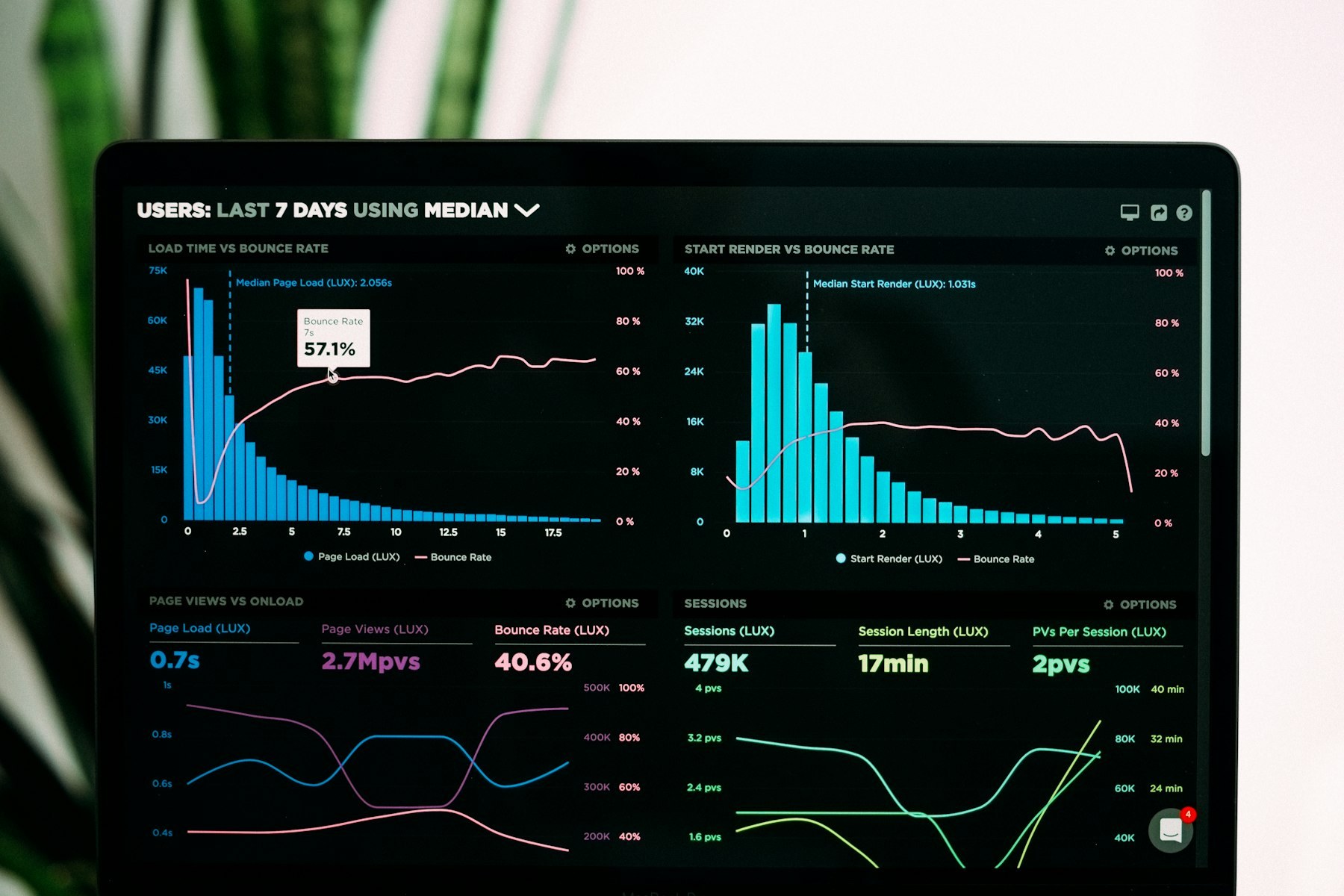
Most visitors arrive on a phone. Make sure your pages load fast, text is readable and buttons are easy to tap. A slow or awkward mobile experience costs you both rankings and customers.
Clear next steps
Every page should tell visitors what to do next, whether that is to call, book or send a message. Good SEO brings people in, and a clear call to action turns them into inquiries.
Keep improving
Review your pages regularly, update outdated information and add new content that answers real questions. Free tools from search engines can show which searches bring visitors and which pages need attention.
If you would like help turning these ideas into a plan for your own business, get in touch and tell me about your goals.